
Martyn’s Law is coming. We sit on an industry working group with the BSIA and FIA tracking it, alongside fellow fire and security manufacturers, and between us we’re building a clearer picture of what the new regulations actually mean for our industry.
If you’re a business owner, a loss prevention manager, or have been designated a responsible person you’re right to be thinking about it. And you’re right to have questions. The Home Office published its statutory guidance in April 2026, so the shape of the Act is now becoming clear. But the Security Industry Authority (SIA – the regulator responsible for enforcing it) is still finalising exactly how enforcement will work, and the Act isn’t planned to come into force until Spring 2027. We’re not in a vacuum any more, but we’re not at the finish line either.
So what do you actually do with that?

Law readiness checklist on a
whiteboard
What can you do now?
- Work out if you’re in scope. This is the first job, and it’s the only one that matters before any of the others. Everything else follows from it.
- Don’t install anything just because it says ‘Marty’s Law compliant. There is no product, system or piece of kit that can make a premises compliant. Security measures may form part of an appropriate response, but those purchases should follow an assessment of your premises and procedures, not before. Buying first and figuring out the rest later is the wrong order.
- Think about your level of risk — but don’t panic. Premises and events will fall into one of two tiers based on how many people might reasonably be on site at once. Understanding roughly where you sit tells you how much this matters for your business, and how urgently.
- Don’t worry if you don’t understand it completely. Why would you? It’s not your job to be a counter-terrorism legislation expert, that’s what your security partners, your industry bodies and, frankly, guidance like this are for.
- You’re probably already doing more than you think. Evacuation plans, lockdown procedures, staff briefings, CCTV, access control — a lot of what Martyn’s Law asks for overlaps with things sensible businesses may already have in place. This might not be a standing start.
There is no “compliant” product, because compliance isn’t something you can buy
This is worth repeating on its own: products don’t make a site Martyn’s Law compliant, processes do. The Act is built around your site assessment – your risks, your procedures, your training, your response plans. Products can (and probably will) form part of your response plans, but no single product will make your premises compliant.

no two premises are the same.
Don’t try to keep up with the Joneses
Every site is different. Every event is different. Layout, footfall, entry points, staffing, attendee profile, all of it changes what’s reasonable and proportionate for your premises. What another business down the road has done tells you very little about what you need. Chasing their setup instead of assessing your own is a distraction, not a shortcut.
Beware the snake oil salesman
Wherever there’s new legislation and genuine uncertainty, there’s someone ready to sell fear alongside a solution. Watch for anyone selling FUD (fear, uncertainty and doubt) rather than clarity. A good security partner helps you understand your actual position and your actual options. Anyone pushing urgency and a single “must-have” purchase in the same breath is worth a second look.
Is ACT training worth doing?
ACT (Action Counters Terrorism) awareness training has come up more than once in conversations with security professionals we trust, and it’s a reasonable thing to look into; free, government-backed, and a sensible grounding for staff regardless of where Martyn’s Law lands for your premises. It isn’t a legal requirement under the Act itself, but as a starting point for staff awareness, it’s hard to argue against.

ACT (Action Counters Terrorism)
awareness training to staff
Myth-busting: does everyone need to be first aid trained?
No. This one comes up a lot. Martyn’s Law doesn’t require every member of staff to hold a first aid certificate, nor does it prescribe a particular level of first-aid cover.
What the Act does require is that the people expected to carry out your public protection procedures understand those procedures and know their role.
Working out if you’re in scope: Chapters 4 and 5
The Home Office guidance sets this out in two parts. Chapter 4 deals with qualifying premises. Chapter 5 covers qualifying events. Between them, they cover most of the scoping questions we hear.
If you haven’t worked through this yet, it’s the single most useful hour you can spend on Martyn’s Law this month.
You still have time
At the time of writing (September 2026), there is no legal duty to comply. Enforcement isn’t expected before spring 2027. That’s not a reason to do nothing (the businesses who start mapping their scope and shoring up their processes now won’t be scrambling later) but it is a reason not to panic-buy, over-promise, or let anyone rush you into a decision before you understand the question.
Still not sure where you stand?
That’s completely normal. Nobody has all the answers yet, some of the detail is still being finalised by the regulator itself. A good starting point is ProtectUK’s Martyn’s Law FAQ pages, and searching “Martyn’s Law advice” will bring up guidance from credible industry and government sources. Read a little, ask your security partners the rest, and don’t feel you need to have it all figured out today.
We’d love to say we can solve Martyn’s Law compliance for you, but we just can’t. And anyone that tells you that they can is full of… sh**.

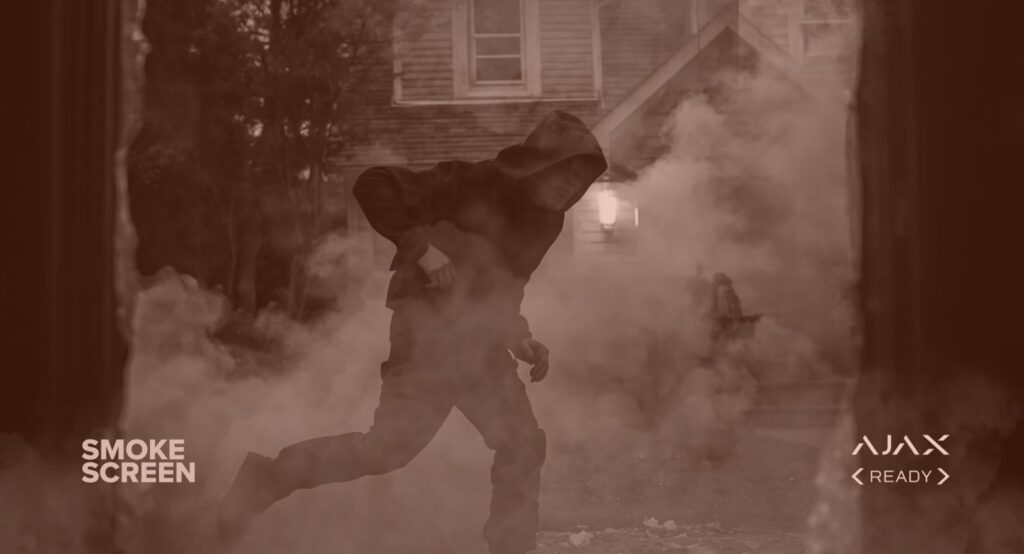
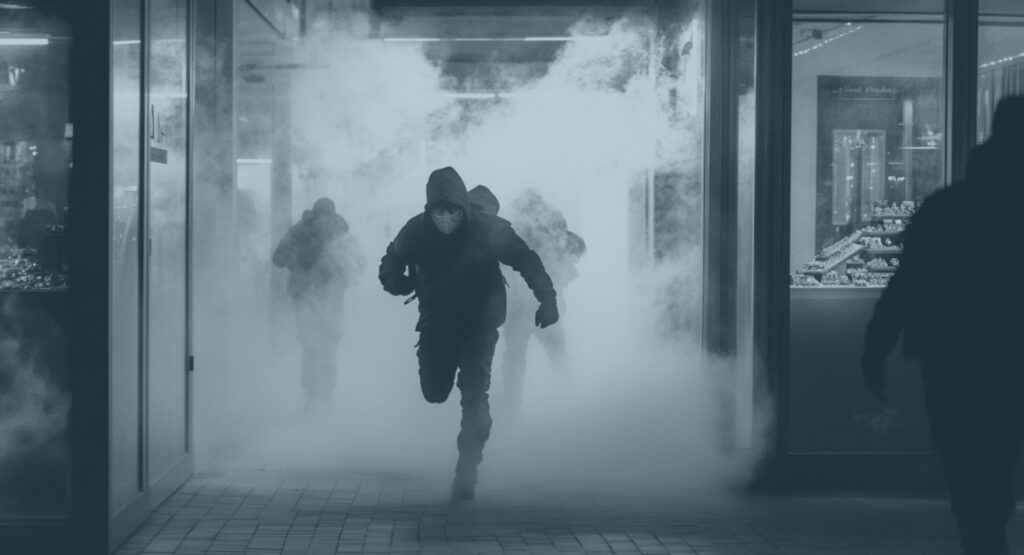
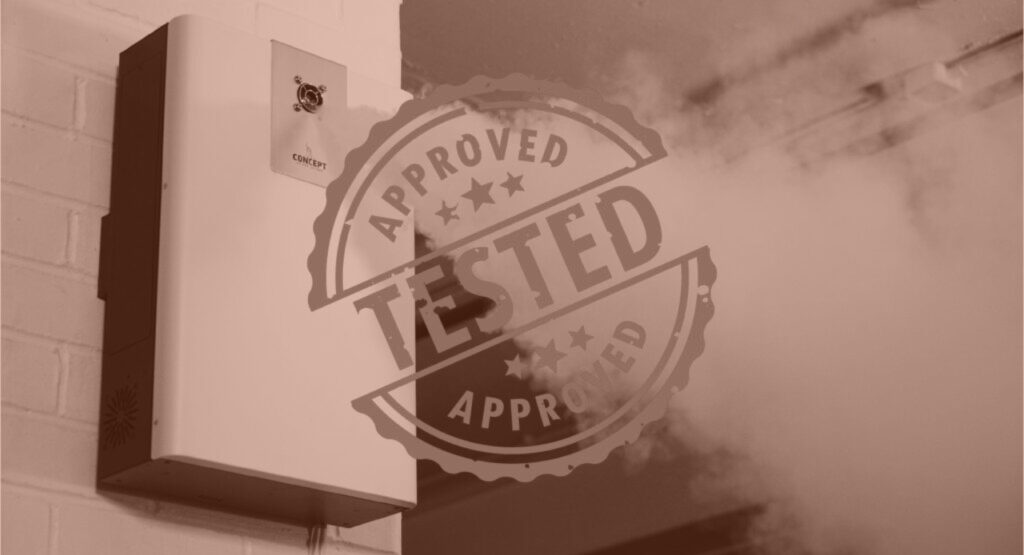
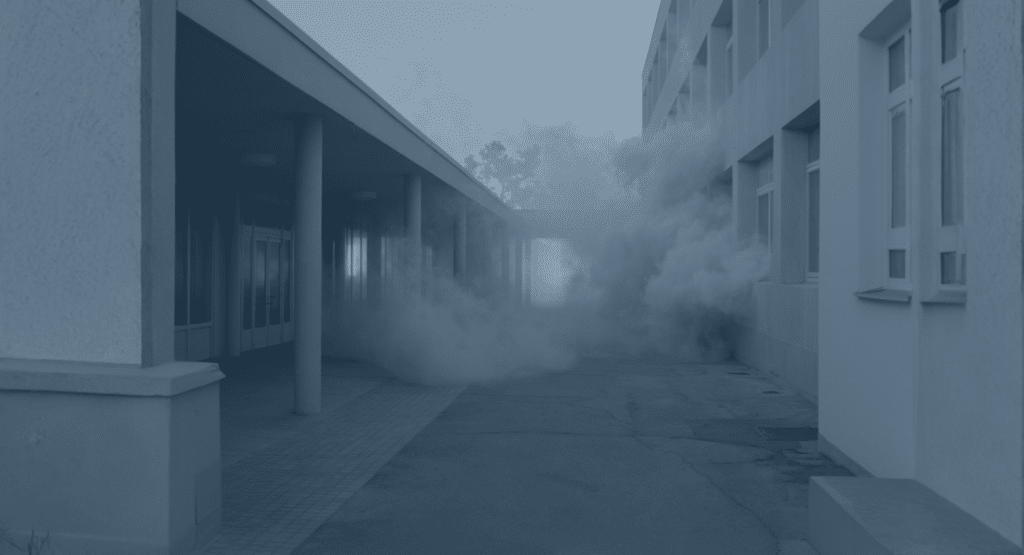
corridor from a Smoke Screen
security-fog system
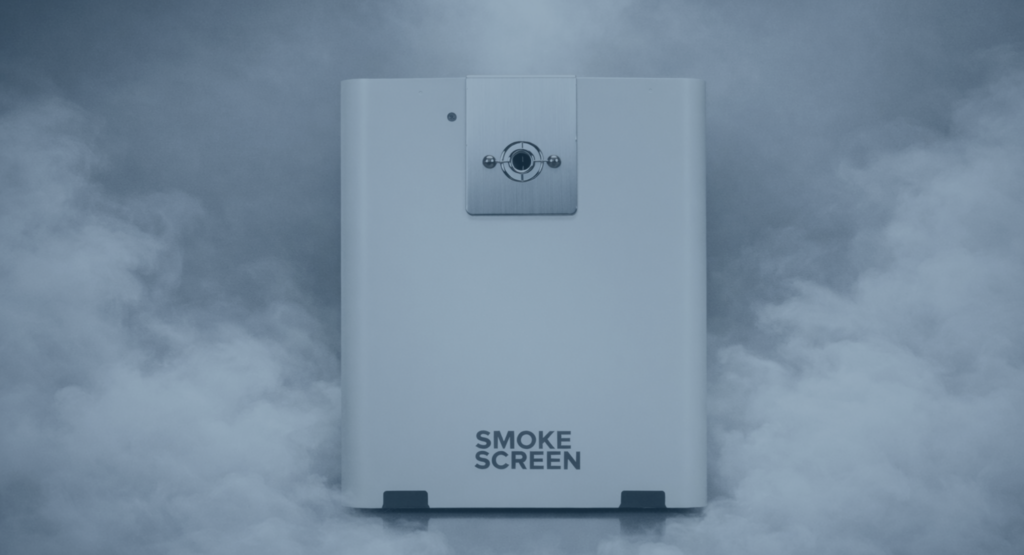
If you want to understand security fogging, or if you think our systems will help your scenario, then speak to the experts at Smoke Screen.
Can’t see it, can’t steal it.
Team Smoke Screen