
In brief: At a security fog demonstration at Nottingham Police HQ, three former prolific shoplifters supported by Nottinghamshire’s Open 2 Recovery scheme stepped into a Smoke Screen security fog system to see whether their years of experience could beat it. They couldn’t. This article tells that story, sets it against the scale of retail crime in the UK, and explains how security fog, sound and strobe work together to stop theft in seconds.
“I thought I’d see through your fog”
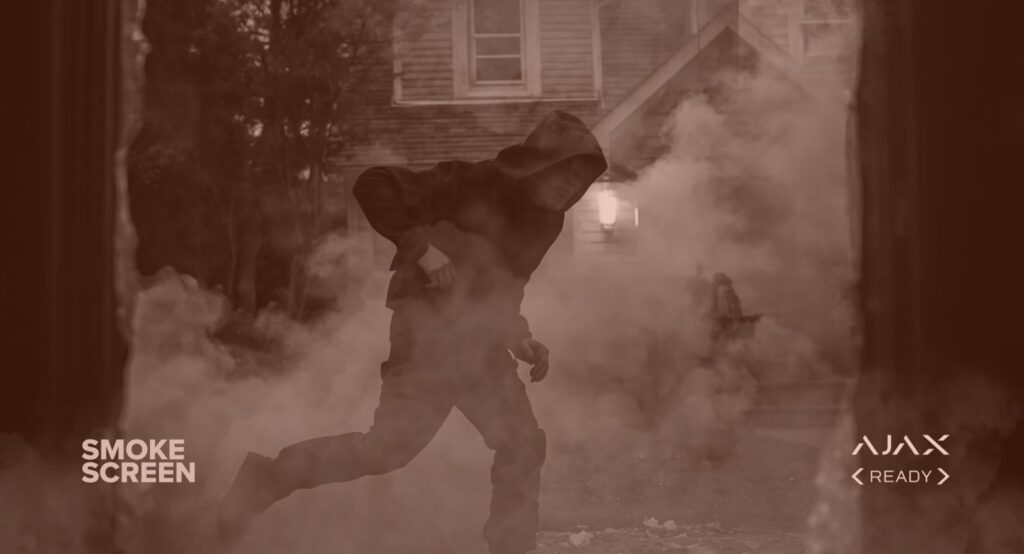
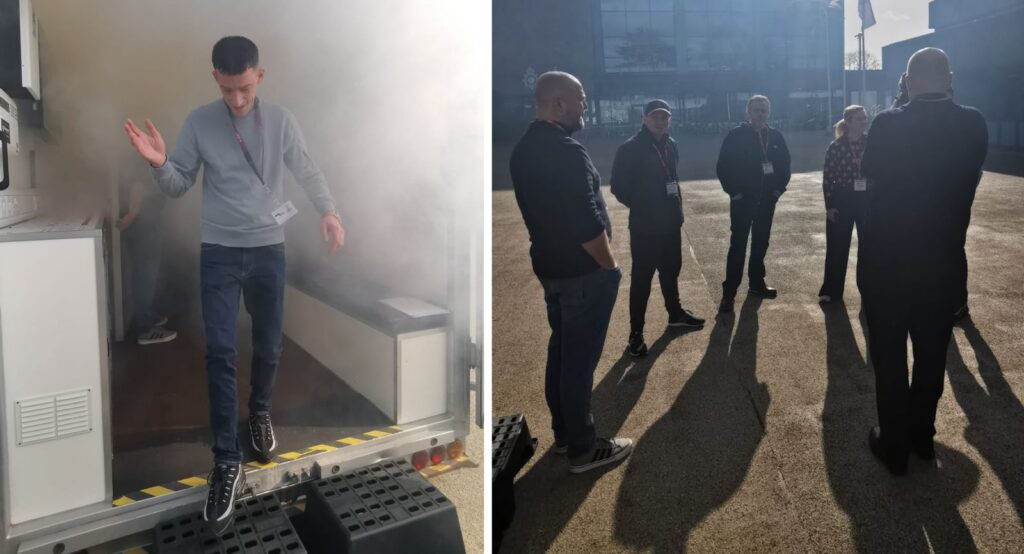
James Kelly walked into the demonstration room at Nottingham Police HQ with a point to prove. Three years into his recovery, he had spent longer than that as a prolific shoplifter, and he knew the tricks of the trade better than any security consultant. His plan was simple: get inside the fog, keep his bearings, and show that a determined thief could still find what they came for.Seconds later, he couldn’t see his own hands.
“I thought I was going to be able to see through your fog, but when I was in there, I realised there was no chance.”
Security professionals and police officers have told us for years that security fog works. Hearing it from someone who once made a living defeating retail security is something else entirely.
Retail crime in the UK is everybody’s problem
Retail crime is no longer a nuisance line on a store manager’s incident log. The British Retail Consortium’s 2025 Crime Survey recorded more than 20 million incidents of theft in a year, around 55,000 every day, with customer theft costing retailers £2.2 billion directly and the total cost of retail crime, including prevention, reaching £4.2 billion. Police in England and Wales recorded 519,381 shoplifting offences in the year to September 2025, up 5% on the year before.
The people at the sharp end of it are often not who you would expect. A prolific shoplifter funding an addiction will typically steal around £800 worth of goods every single day to keep that habit going. Multiply that across a year and one person alone can take close to £300,000 of stock out of the retail economy.
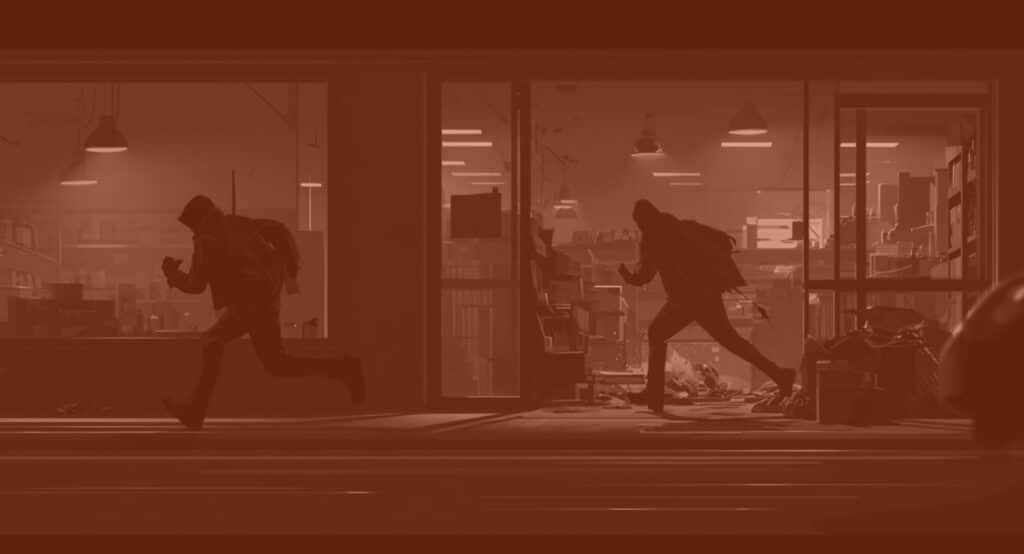
That is before you count organised retail crime: coordinated groups targeting high-value, easily resold goods, often across multiple stores and regions in a single day.
Every pound lost to retail crime UK-wide has to be recovered somewhere. Retailers raise prices, cut staff hours, lock away everyday products and, in the worst cases, close stores. Shoppers pay more, communities lose amenities and staff bear the stress of confrontation. Retail theft prevention is not a retailer’s private problem. It is everybody’s.
Open 2 Recovery: turning the numbers around
Behind a great deal of repeat shoplifting sits addiction, instability and a cycle that punishment alone rarely breaks. Open 2 Recovery is a Nottinghamshire scheme, part-funded by the Police and Crime Commissioner and Probation, that gives prolific offenders with substance-use problems wraparound support: treatment, mental health services, learning support and a route back into family and community life.
The three people who joined us at Nottingham Police HQ had all come through it, and all three described their lives as being changed by it. The scheme’s own figures make the societal case plainly: it reports more than £1.1 million of goods not stolen from shops and over £385,000 less spent on illicit drugs during participants’ rehabilitation periods. Every person who leaves prolific shoplifting behind is money that stays with retailers, insurers and consumers, before you count the reduced burden on police, courts and health services.
That is why we were keen to support the scheme, and why their verdict on our technology mattered so much. These were not a captive audience. They were, in the most literal sense, expert reviewers.
The test: expert thieves versus security fog
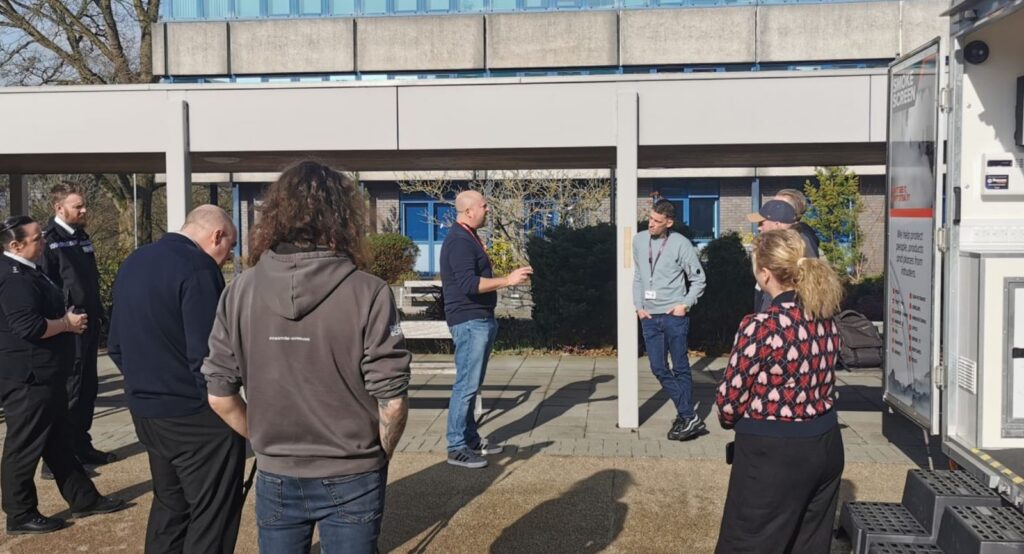
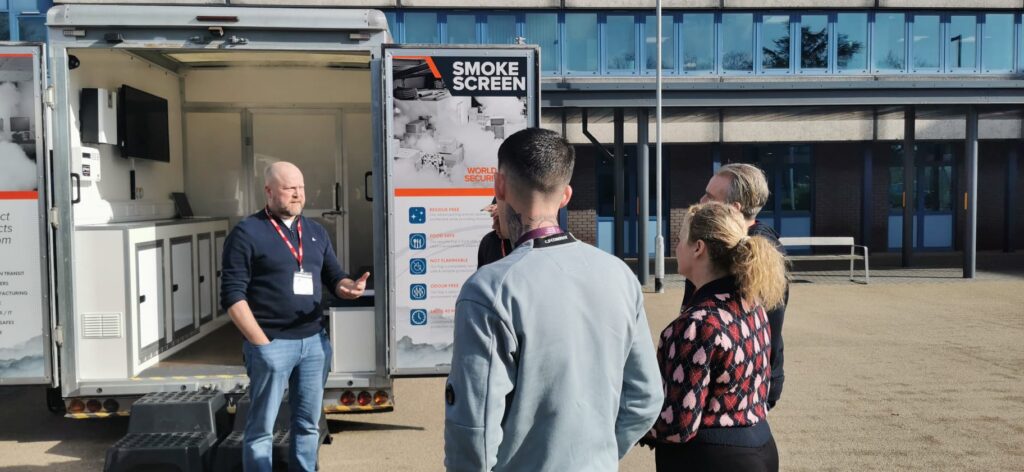
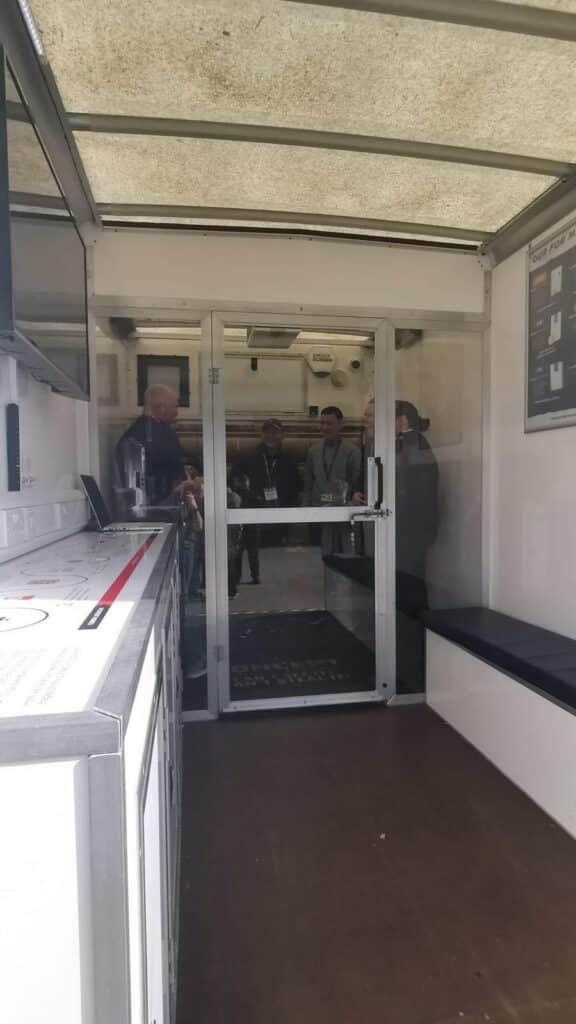
The format was deliberately simple. We explained how the system works, then the three attendees went into our demonstration vehicle as the security fog system activated, first with fog alone and then with the full deterrent of fog, sounder and strobe.
The reactions followed the same pattern every time. Confidence on the way in, disorientation within seconds, and a very quick decision that the only sensible option was to get out.
James’s verdict, quoted above, was the one that stuck with everyone in the room. He had gone in competitively. He came out convinced. The other two attendees reached the same conclusion: once the fog fills a space, there is nothing to steal because there is nothing to see. Effective security is not about recording an incident after it happens. It is about putting an immediate barrier in the way.
How a security fog system stops theft in seconds
Understanding why experienced thieves gave up so quickly comes down to three layers working together.
Security fog: no visibility, no theft
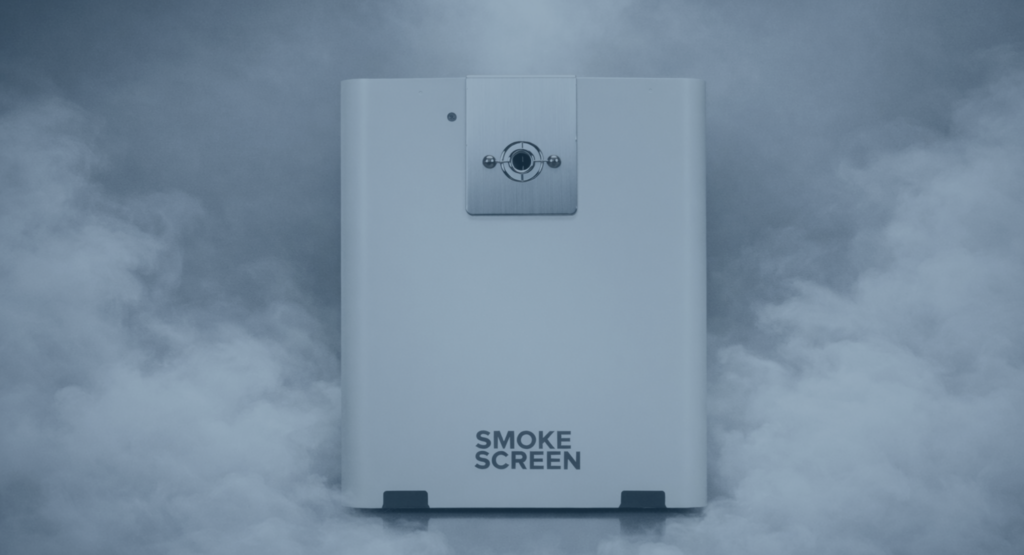
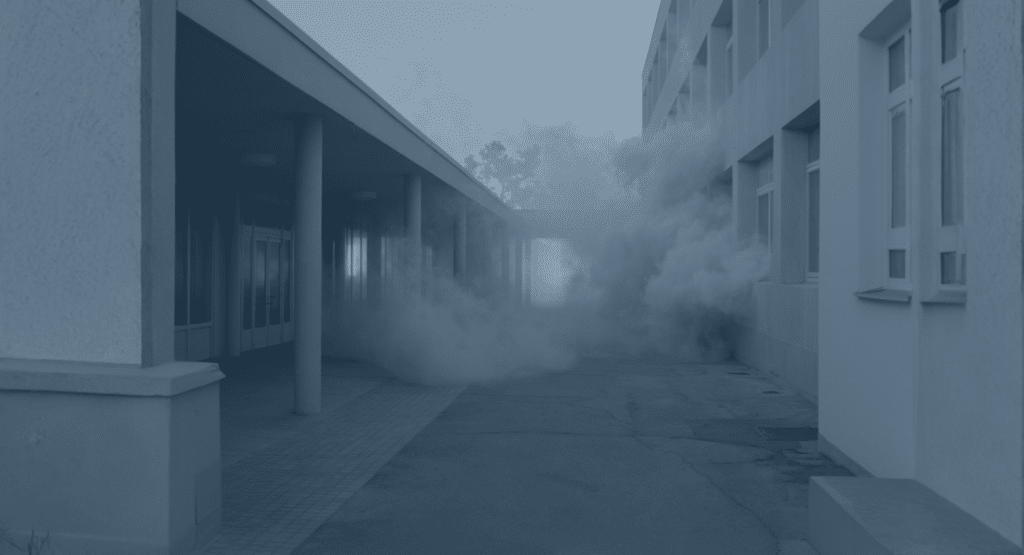
A security fog generator fills the protected area with dense, dry, non-toxic fog in seconds. An intruder cannot see stock, exits or their own hands, so they cannot select goods, navigate or work as a group. Because the fog is triggered by the intruder alarm, it deploys at the moment of the break-in rather than minutes later when a response arrives. This is the difference between recording a theft on CCTV and preventing it.
Sounder: designed to disorient, not just alarm
Our sounder is not simply loud. Multiple speakers each emit a slightly different frequency, deliberately configured to clash. The effect is uncomfortable and disorienting, making it very hard to think clearly, communicate with accomplices or stay in the space for any length of time.
Strobe: the “white pixel” effect
The strobe fires bursts of light that reflect off the moisture particles in the fog. Instead of illuminating the room, it produces a wall of shifting white, much like driving on full beam into heavy fog. Combined with the sounder, this amplifies the deterrent well beyond fog alone. The intruder loses vision, orientation and composure at the same time.
Together, fog, sounder and strobe turn a break-in into a situation no thief wants to stay in. That is exactly what three people who once made a living from retail crime confirmed at Nottingham.
Recognition across UK policing
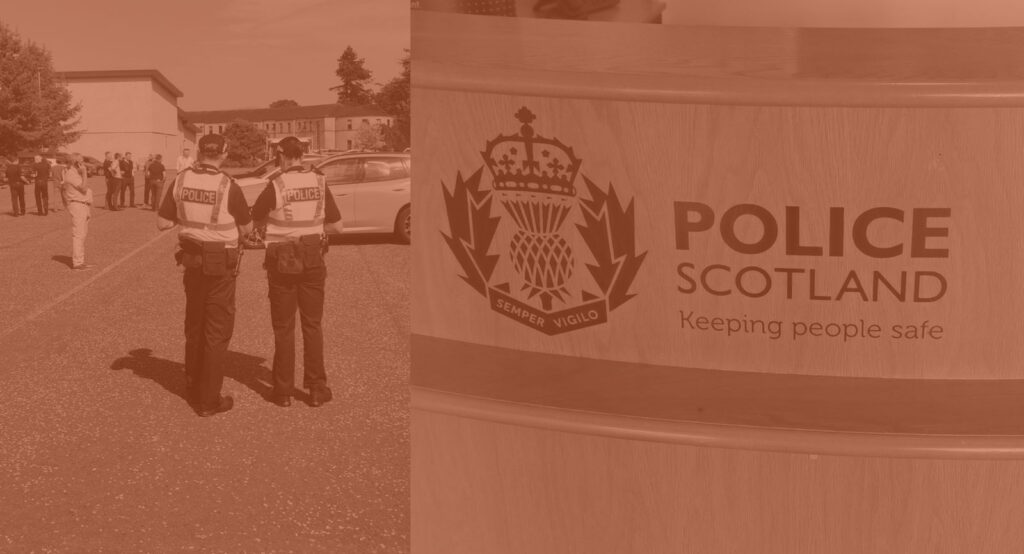
The Nottingham event is part of a wider conversation with UK police forces. At a recent demonstration for Police Scotland, around 100 officers, including members of the retail crime task force, saw security fog deploy, many for the first time. The reception was overwhelmingly positive, and at least one officer left asking about a system for their own home. Educating those who deal with retail crime every day is a priority for us, because prevention technology works best when the whole sector understands it.
Prevention and rehabilitation work together
The Nottingham demonstration was a reminder that security technology and recovery-focused interventions do not sit on opposite sides of the retail crime debate. They solve different parts of the same problem. A security fog system stops an incident at the moment. Schemes like Open 2 Recovery reduce the likelihood of the same person offending again. For retailers facing rising theft, that combination of strong prevention and meaningful rehabilitation is the more complete way forward: safer shops, safer staff and fewer people trapped in the same cycle.
Protect your premises before the next break-in
If your store, warehouse or cash-handling site is exposed to shoplifting, smash and grab or organised retail crime, a security fog system is the fastest way to remove the opportunity. It integrates with your existing intruder alarm, deploys in seconds, is safe for people and stock, and leaves no residue.
Talk to us about retail theft prevention for your premises. We can advise on the right Sentinel model for your space, typical security fog system cost and how it fits with your existing alarm and monitoring.
Request a quote for a security fog system
Frequently asked questions
Frequently asked questions